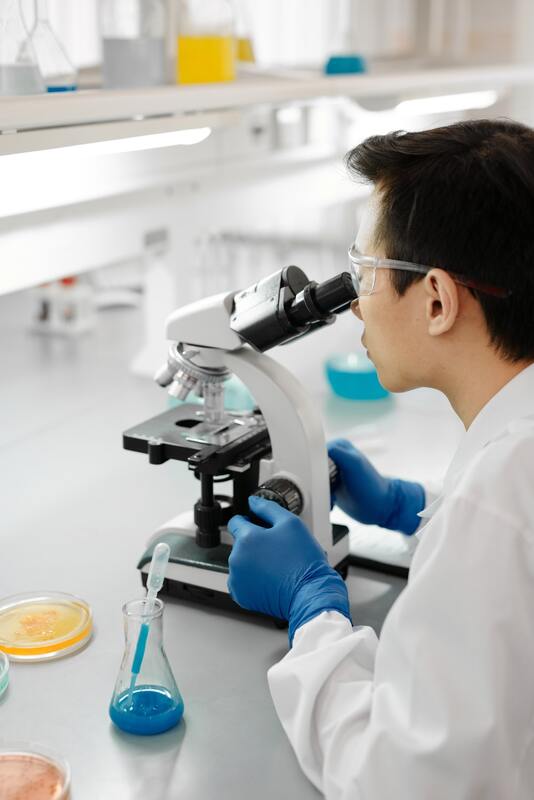
Covid-19: why the lab leak theory must be formally investigatedVirginie Courtier, Université de Paris and Etienne Decroly, Aix-Marseille Université (AMU)A year and a half into the pandemic, we still do not know exactly where the SARS-CoV-2 virus, which causes Covid-19, came from. The prevailing view so far has been that the virus “spilled over” from bats into humans. But there are increasing calls to investigate the possibility that it emerged from a lab in Wuhan, China, where Covid first appeared at the end of 2019. So what do we know for sure, and what do we need still to find out? We know the sequence of the SARS-CoV-2 virus is close to that of bat coronaviruses. Several decades ago its “ancestor” was circulating in bat populations in southern Asia. But there are still many unanswered questions: we don’t know how the virus arrived in Wuhan, how its sequence evolved to allow human infection, and under what conditions it infected the first people who crossed its path. And for each of these stages, we don’t know whether there was a human contribution (direct or indirect). Lire cet article en français: “Origine de la Covid-19 : l’hypothèse de l’accident de laboratoire doit-elle être étudiée d’un point de vue scientifique ?” Zoonotic transmission pathways, in other words the passage of viruses from animals to humans, are now widely documented around the world. Scientists even consider that this is a principal mechanism for the spreading of new viruses. But the fact that the pandemic began in the vicinity of a main virus research centre that specialises in the study of coronaviruses with epidemic potential in humans – the Wuhan Institute of Virology – has given rise to another hypothesis, the lab leak theory. Lab accidents have already led to human infections, including the H1N1 flu pandemic of 1977, which killed more than 700,000 people. Which theory is correct? In the absence of definitive proof, and without promoting conspiracy theories, there needs to be a serious international conversation about the origin of SARS-CoV-2. The zoonosis theoryIn the scientific community, the debate on the origin of SARS-CoV-2 started with the publication of two articles at the very beginning of the outbreak. The first, dated February 19, 2020, was published in the medical science journal The Lancet. This article, signed by 27 scientists, highlighted the efforts of Chinese experts to identify the source of the pandemic and share the results. The authors deplored “rumours and misinformation” about the origins of the virus, and stated that they “strongly condemn conspiracy theories suggesting that Covid-19 does not have a natural origin”. The authors based their opinion on the first published sequence data, but did not detail the scientific arguments supporting a natural origin. In March 2020, another article published in Nature Medicine provided a series of scientific arguments in favour of a natural origin. The authors argued:
This last argument can be questioned, as methods do exist which allow scientists to modify viral sequences without leaving a trace. These include cutting the genome into fragments that can later be joined together or, more recently, using the ISA protocol, whereby overlapping fragments naturally come together in cells through homologous recombination: a phenomenon in which two DNA molecules exchange fragments. Besides, genetic manipulation is not the only scenario compatible with a laboratory accident or leak. Meanwhile, intense research that has been carried out for more than a year to try to prove the zoonotic scenario has not been successful so far: all 80,000 animal samples, from some 30 species, have tested negative. The samples came from farm animals and wild animals from different provinces in China. But it is important to note that this large number of negative samples does not refute the zoonotic scenario. The lab theoryThe first articles arguing for the laboratory accident theory received little attention, perhaps because they came from groups like the Bulletin of the Atomic Scientists, which tends to be critical of technology, or outsiders such as the DRASTIC team (an acronym for “decentralized radical autonomous search team investigating Covid-19”). Composed of 24 self-styled “Twitter detectives” who are mostly anonymous with the exception of a few scientists participating under their real names, the DRASTIC group formed on Twitter in 2020 and has set itself the mission of exploring the origins of SARS-CoV-2. Information and arguments from the group have been examined in their own right, taken up and developed by some virologists, microbiologists and science communicators. In July 2020, one of the authors of this article, Etienne Decroly, co-wrote a scientific paper discussing the possibility of a laboratory accident. The lab leak theory gained wider traction after a May 13 article in the journal Science, signed by 18 scientists, called again for the origins of SARS-CoV-2 to be examined. 
So is it possible? Several elements regarding the emergence of the virus do raise questions. In particular, it has been established that the Wuhan Institute of Virology was handling viruses close to SARS-CoV-2 collected in southern China. In addition to direct genetic manipulation, a laboratory accident could also have occurred as a result of infection during collection in the wild or during an experiment with a virus that evolved in cells or mice in the laboratory, without necessarily directly manipulating its genome. How can we find out for sure?In an investigation at the start of this year, a joint commission between China and the World Health Organization (WHO) failed to identify the cause of the pandemic, concluding that a zoonotic origin is most likely and the hypothesis of a laboratory accident is very unlikely. But the director-general of the WHO, Tedros Adhanom Ghebreyesus, announced there were still questions that “will need to be addressed by further studies”. Determining whether SARS-CoV-2 has escaped from a laboratory will require a more thorough investigation in which investigators have access to sequence databases as well as to the various resources used by Chinese researchers, including laboratory notebooks, submitted projects, scientific manuscripts, viral sequences, order lists and biological analyses. Unfortunately, sequence databases for SARS-CoV-2 have been inaccessible to scientists since September 2019. In the absence of direct evidence, alternative approaches may provide additional information. By analysing the available sequences of SARS-CoV-2-like coronaviruses in detail, it is possible that the scientific community will reach a consensus based on strong clues, as they did for other outbreaks, including the 1977 H1N1 virus. Biological black boxesWhether the origin is zoonotic or not, it is necessary to question the consequences of our interactions with ecosystems, the industrialisation of intensive breeding, safety protocols on collecting and experimenting on potentially pandemic viruses, and the proliferation of high-security laboratories, particularly those near megacities. We need to equip facilities that study viruses with safety systems as demanding as those used for studying nuclear energy. This could include the introduction of “biological black boxes”, similar to flight recorders which allow investigators to recreate the final moments of a plane accident. Access to certain high-risk labs could be made dependent on detailed digital descriptions of experiments; sequencing data could be systematically archived; laboratory air filters could be collected, and if there is a suspicion of pathogen dissemination, the genetic material on their surface could be sequenced. Such new safety measures should be put in place internationally to limit the risk of future pandemics. As for SARS-CoV-2, it is important to trace its exact origins in order to understand precisely what flaws may have led to its spread. Virginie Courtier, Directrice de recherche CNRS, génétique et évolution, Université de Paris and Etienne Decroly, Directeur de recherche en virologie, Aix-Marseille Université (AMU) This article is republished from The Conversation under a Creative Commons license. Read the original article.
Additional Source:
I posted the Guardian article on Facebook:
ALSO VERY INTERESTING: In 1965, researchers discovered a vexing respiratory infection called 229E. Today, we know it as the common cold. 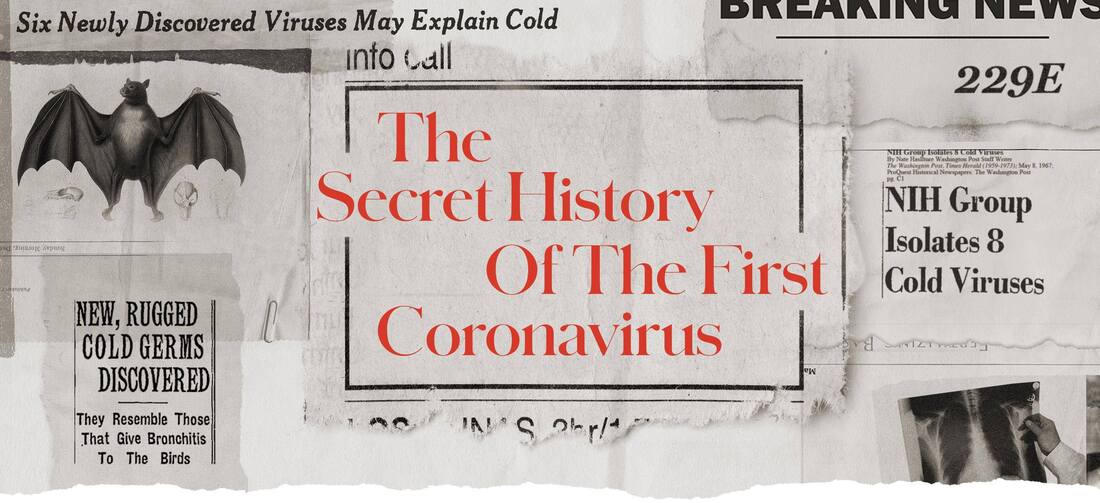
▲ click to read the Forbes article
Russel Brand explores:
Science writer Nicholas Wade has written an article in which he concludes that evidence around the origins of COVID-19 is “fairly firmly in favour” of the virus coming from the lab at Wuhan. With other scientists contesting his reasoning, what does this scientific debate signify? 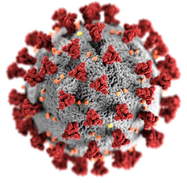
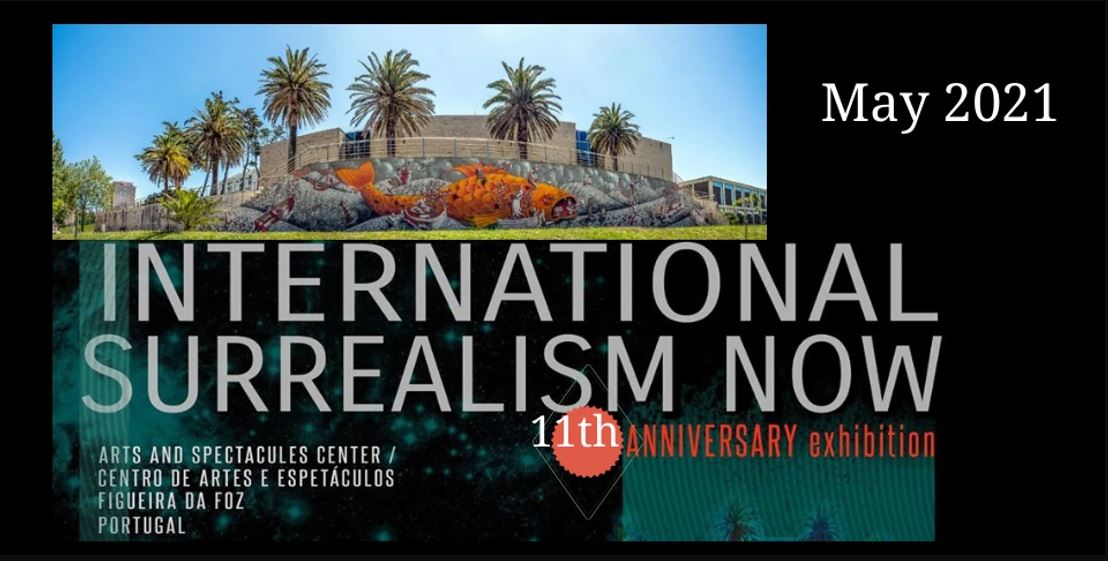
INTERNATIONAL SURREALISM NOW 2021
11th ANNIVERSARY Exhibition
11 YEARS of the International Surrealism Now Exhibition at CAE.
125 participant artists from 52 countries - May 5 to July 11 of 2021
125 participant artists from 52 countries: Albania, Algeria, Argentina, Australia, Austria, Azerbaijan, Belarus, Belgium, Brazil, Canada, Chile, China, Colombia, Croatia, Czech Republic, Cuba, Denmark, Finland, France, Germany, Hungary, Iceland, Indonesia, Iran, Ireland, Israel, Italy, Japan, Latvia, Mexico, Morocco, Netherlands, New Zealand, Nigeria, Peru, Philippines, Poland, Portugal, Romania, Russia, Serbia, Slovenia, Spain, Sweden, Switzerland, Turkey, United Kingdom, United States, Ukraine, Venezuela, Vietnam, India.
The initiative comes from the company MatosCar, an automotive group present in the Portuguese cities of Guarda, Fundão, Castelo Branco, Portalegre, Évora and Beja. Official representatives of 24 brands.
The Arts and Entertainment Center (CAE) was opened in 2002. Large cultural structure (2 200 and 800 seat auditoriums - outdoor amphitheater, foyer, breakout rooms, studios, 4 exhibition halls) was thought of as a centrality with European Community funds and its programming tends to go through major national and international shows and this structure is also linked to other programming centers and events, in an anchor logic that disperses without losing continuity.
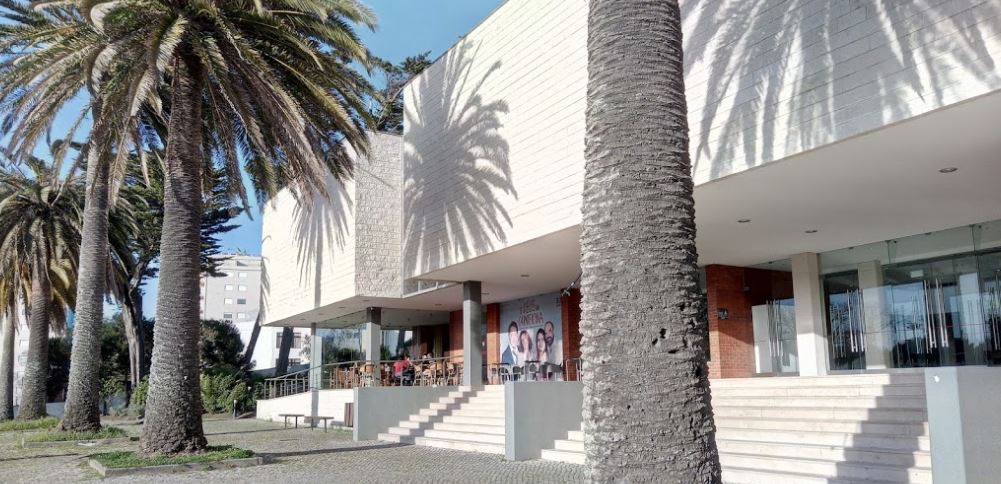
Centro de Artes e Espectáculos - Rua Abade Pedro 3080-084 Figueira da Foz
Tel: 233 407 200 Fax: 233 407 209
My Artwork with INTERNATIONAL SURREALISM NOW
Participating Artists:
Achraf Baznani, Morocco / Agim Meta, Albania-Spain / Aissa Mammasse, Algeria / Alessio Serpetti, Italy / Alvaro Mejias, Venezuela / Ana Neamu, Romania / Ana Pilar Morales, Spain / Andrew Baines, Australia / Asier Guerrero Rico (Dio), Spain / Axel Blotevogel, Germany / Brigid Marlin, UK / Bien Banez, Philippines / Can Emed, Turkey / Carlos Sablón, Cuba / Cătălin Precup, Romania / Chuang Chih Hui, China Taiwan / Cristian Townsend, Australia / Conor Walton, Ireland / Cynthia Tom, China / USA / Dag Samsund, Denmark / Daila Lupo, Italy / Dan Neamu, Romania / Daniel Chiriac, Romania / Daniel Hanequand, France / Canada / Daniele Gori, Italy / Delphine Cencig, France / Dean Fleming, USA / Domen Lo, Slovenia / Edgar Invoker, Russia / Efrat Cybulkiewicz, Venezuela / Egill Eibsen, Iceland / Erik Heyninck, Belgium / Ettore Aldo Del Vigo, Italy / Fabrizio Riccardi, Italy / Farhad Jafari, Iran / France Garrido, USA / Francisco Urbano, Portugal / Gabriele Esau, Germany / Genesis Cabrera, USA / Graça Bordalo Pinheiro, Portugal / Graszka Paulska, Poland / Gromyko Semper, Philippines / Gyuri Lohmuller, Romania / Hector Pineda, Mexico / Hector Toro, Colombia / Henrietta Kozica, Sweden / Hugues Gillet, France / Isabel Meyrelles, Portugal / Iwasaki Nagi, Japan / James Skelton, UK / Jay Garfinkle, USA / Jay Paul Vonkoffler, American / Argentine / Jimah St, Nigeria / Joanna Budzyńska-Sycz, Poland / João Duarte, Portugal / Keith Wigdor, USA / Leo Wijnhoven, Netherlands / Leo Plaw, Germany / Liba WS, France / Lubomír Štícha, Republic Czech / Ludgero Rolo, Portugal / Lv Shang, China / Maarten Vet, Netherlands / Maciej Hoffman, Poland / Magi Calhoun, USA / Marnie Pitts, UK / Maria Aristova, Russia / Mario Devcic, Croatia / Martina Hoffman, Germany / Mathias Böhm, Germany / Mehriban Efendi, Azerbaijan / Naiker Roman, Cuba / Spain / Nazareno Stanislau, Brazil / Nikolina Petolas, Croatia / Octavian Florescu, Canada / Ofelia Hutul, Romania / Oleg Korolev, Russia / Olesya Novik, Russia / Olga Spiegel, USA / Otto Rapp, Austria / Paula Rosa, Portugal / Paulo Cunha, Canada / Pavlina Boroshova, Switzerland-Germany / Pedro Diaz Cartes, Chile / Penny Golledge, UK / Peter MC LANE, France / Philippe Pelletier, France / Radhika Menon, India / Richard Shannon, USA / Roch Fautch, USA / Rodica Miller, USA / Ruben Cukier, Argentine / Israeli / Rudolf Boelee, New Zealand / Russbelt Guerra, Peru / Sabina Nore, Austria / Sampo Kaikkonen, Finland / Santiago Ribeiro, Portugal / Sarah Zambiasi, Australia / Serge Sunne, Latvia / Sergey Tyukanov, Russia / Shahla Rosa, USA / Shoji Tanaka, Japan / Shan Zhulan, China / Shia Weltenmenge, Germany / Sio Shisio, Indonesia / Slavko Krunic, Serbia / Sônia Menna Barreto, Brazil / Steve Smith, USA / Stuart Griggs, UK / Svetlana Kislyachenko, Ukraine / Svetlana Ratova, Russia / Tatomir Pitariu, USA / Tersanszki Cornelia, Romania / Tim Roosen, Belgium / Ton Haring, Netherlands / Victor Lages, Portugal / Vu Huyen Thuong, Vietnam / Yamal Din, Morocco / Spain / Yang Sumin, China Taiwan / Yuliya Patotskaya, Belarus / Yuri Tsvetaev, Russia / Zoltan Ducsai, Hungary / Zoran Velimanovic, Serbia.
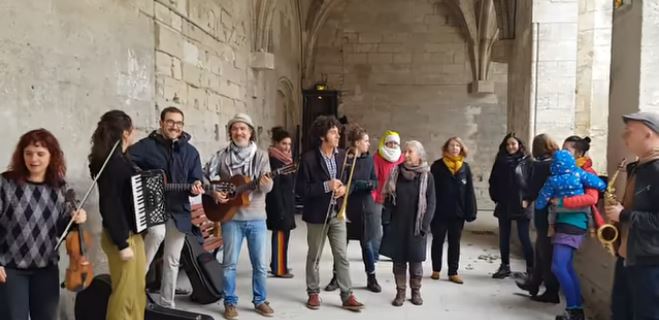
A series of protests against unreasonable Corona restrictions - Flashmobs in various places:
Paris
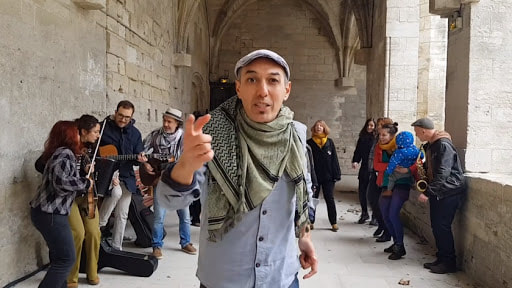
Liberté ! "DANSER ENCORE" - Flashmob - Le Sénat - 1 Mai 2021
Flashmob organisé le 1er Mai 2021 à Paris, dans les Jardins du Sénat.
One of the comments under this video:
More Videos from around Europe:
The official Version started in December 2020
One comment:
It's the New World anthem! That of fraternity, of conscience, of the joy of dancing life together! 
Opening again after Corona Lockdown
Wiedereröffnung nach Corona Lockdown 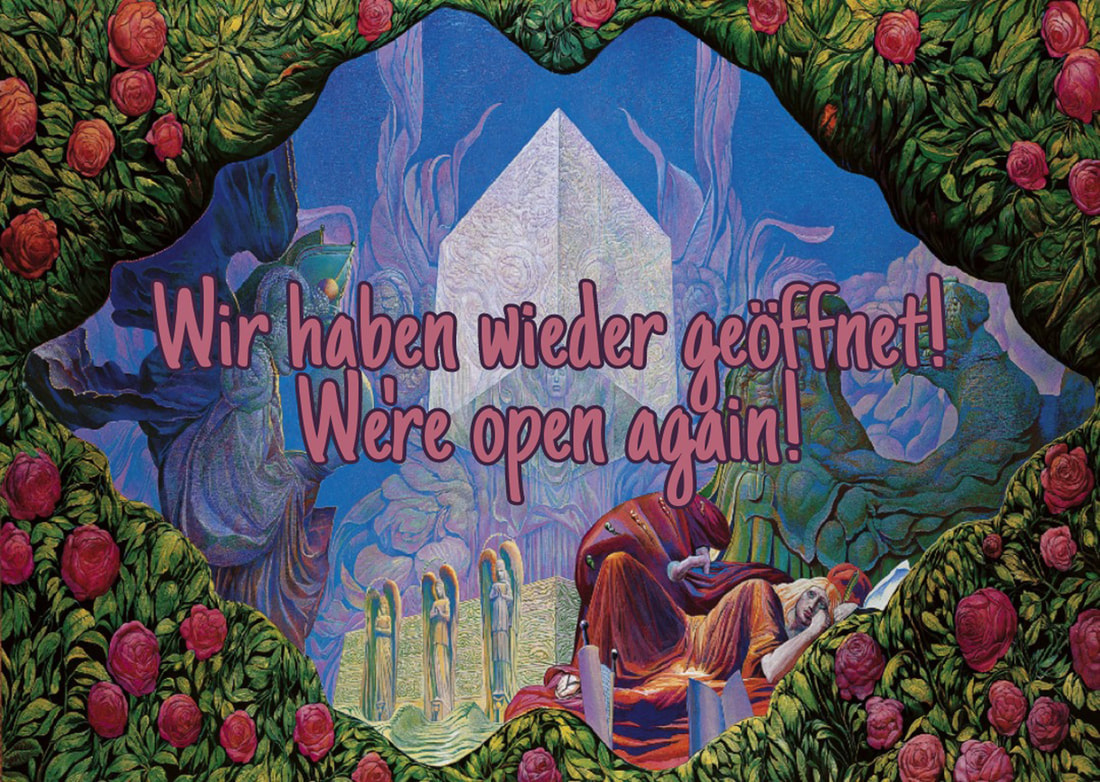

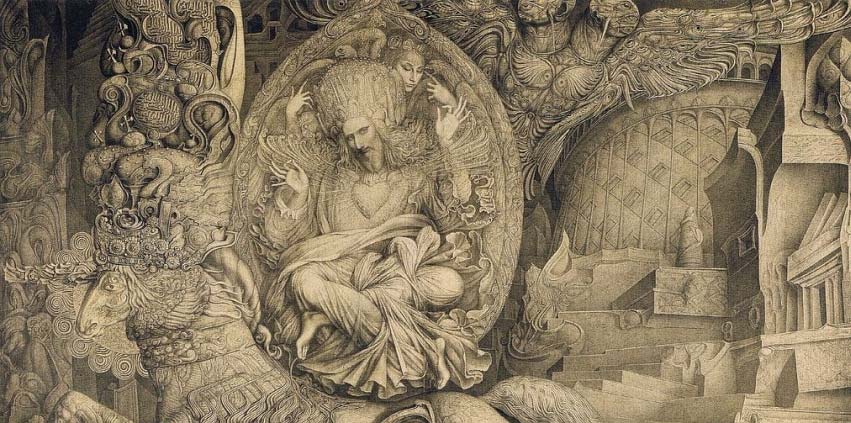
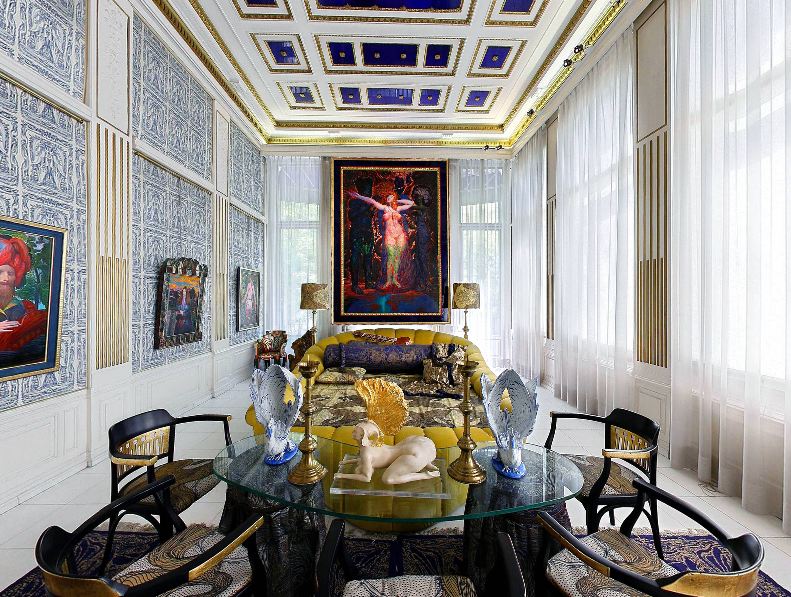
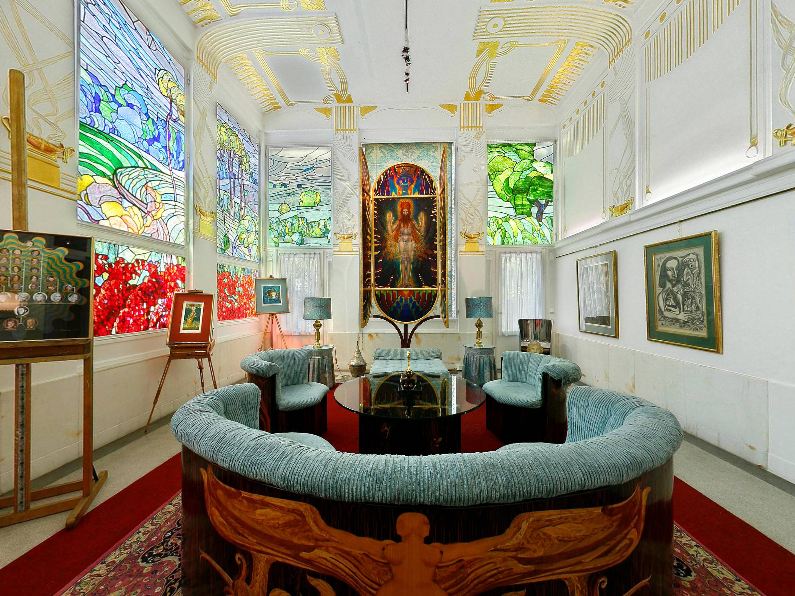
Dear friends of the Ernst Fuchs Museum!
After one month in lockdown, we are all the more pleased to be able to open our doors again to all art lovers! As of May 4th, the Ernst Fuchs Museum in the Otto Wagner Villa is open again at the usual times: Tuesday to Sunday, 10am to 4pm. Reservations in advance are not necessary for a visit, tickets are available on site or in our online ticket shop. There is also a new feature: The pandemic forces us to be inventive and so we have decided – until we are allowed to reopen our Café Esther in the garden of the Villa normally again – to offer drinks and food TO GO from now on. So when you visit the museum, your physical well-being will also be adequately catered for! Stay healthy and we look forward to welcoming you at the museum soon! Tip: When the weather is sunny, a visit to the museum can be combined very nicely with a walk in the forest! 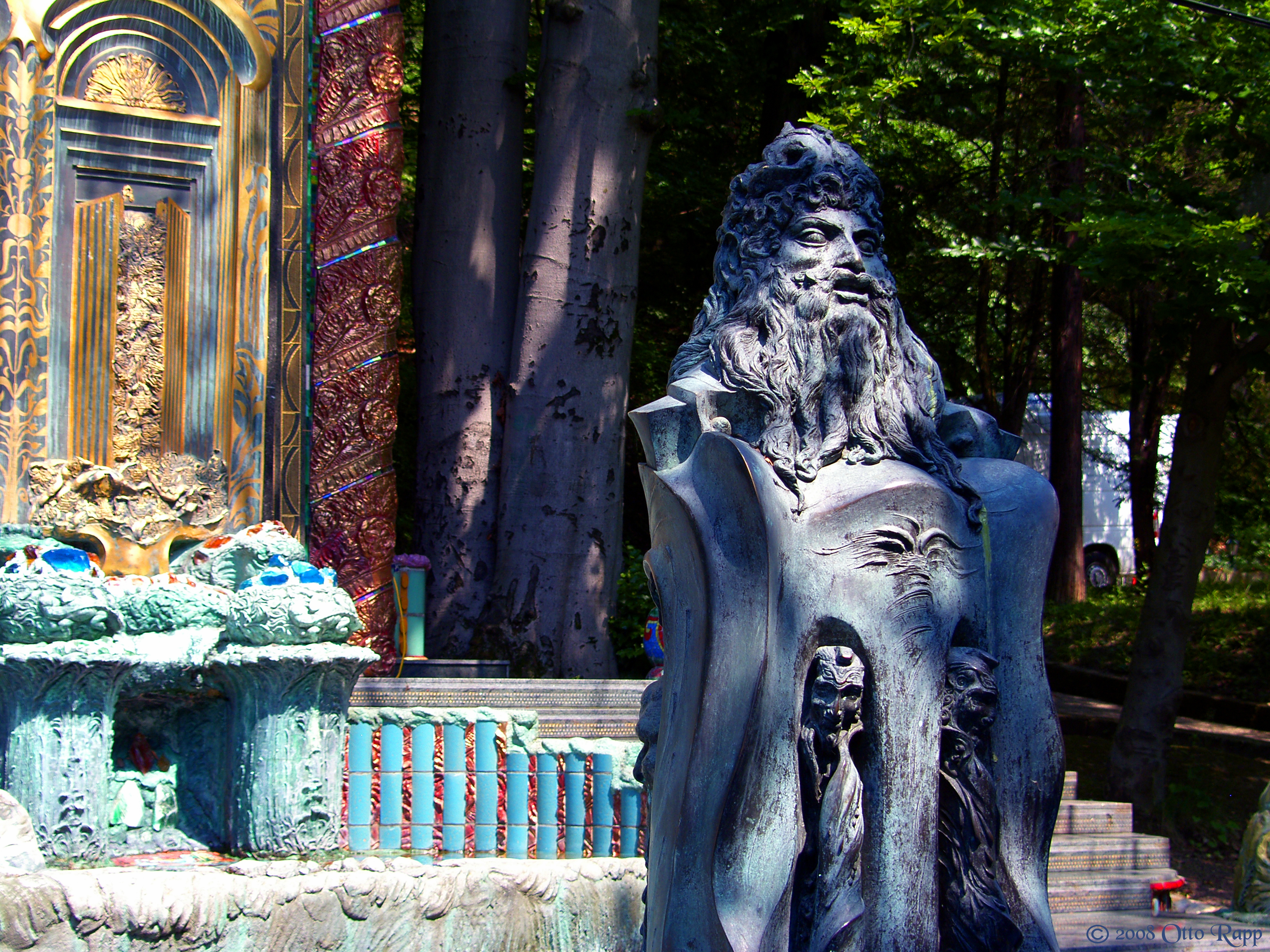
Liebe Freundinnen und Freunde des Ernst Fuchs Museums!
Nach gut einem Monat im Lockdown freuen wir uns umso mehr, unsere Türen nun wieder allen Kunstinteressierten öffnen zu dürfen! Seit 4. Mai hat das Ernst Fuchs Museum in der Otto Wagner Villa nun wieder zu den gewohnten Zeiten geöffnet: Dienstag bis Sonntag, 10 bis 16 Uhr. Voranmeldungen sind für einen Besuch nicht erforderlich, Tickets gibt es vor Ort oder in unserem Online-Ticketshop. Weiters gibt es eine Neuerung: Die Pandemie macht erfinderisch und so haben wir beschlossen – bis wir unser Café Esther im Garten der Villa wieder normal öffnen dürfen – ab sofort Getränke und Speisen TO GO anzubieten. Bei einem Besuch des Museums ist also auch für das leibliche Wohl ausreichend gesorgt! Bleiben Sie gesund und wir freuen uns sehr, Sie bald bei uns im Museum begrüßen zu dürfen! Tipp: Bei schönem Wetter lässt sich ein Museumsbesuch sehr schön mit einer Waldwanderung verbinden! 
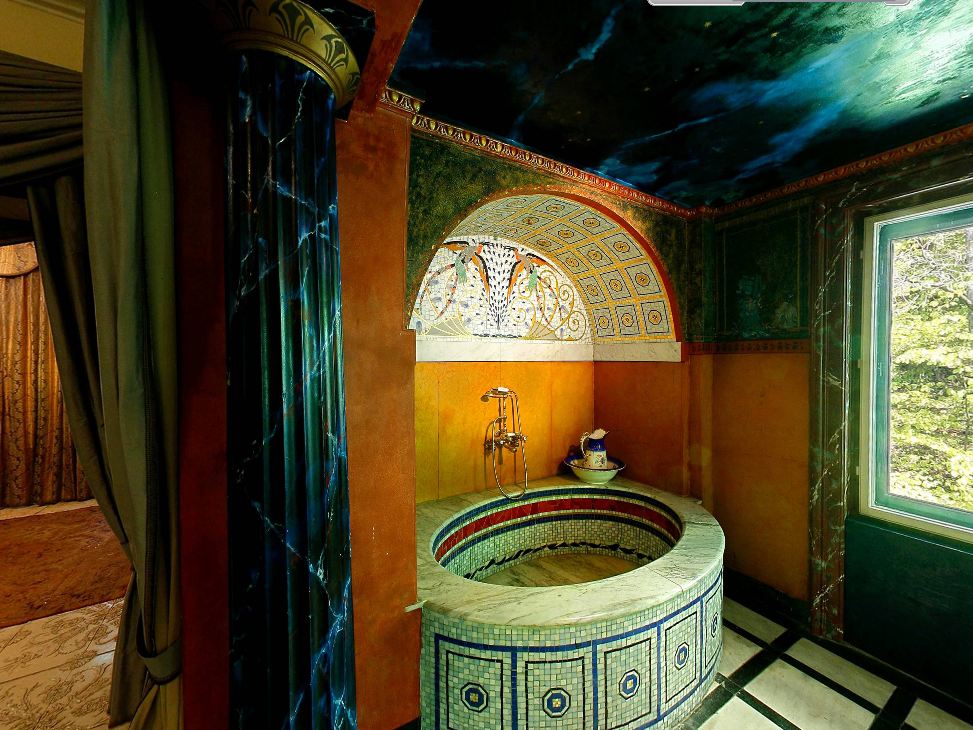
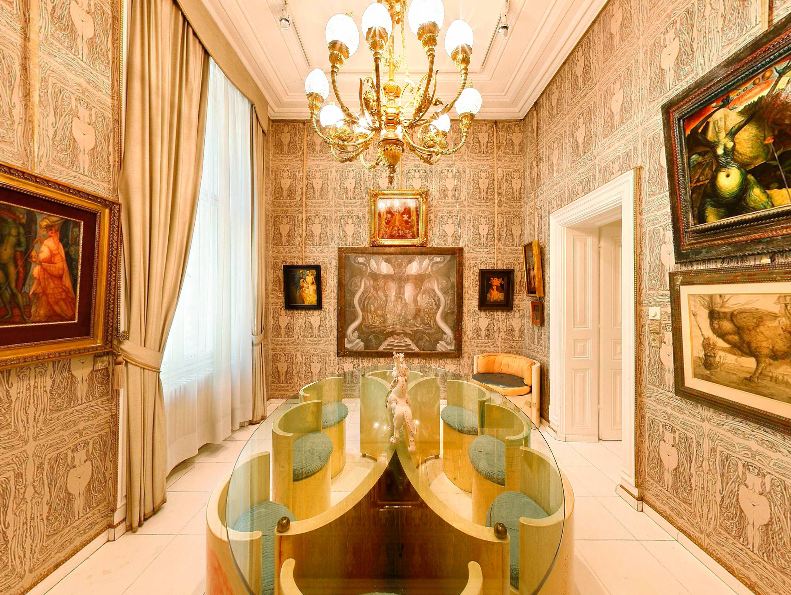
ON-LINE VIRTUAL REALITY ERNST FUCHS MUSEUM
About the map view: that we are open again has been submitted to Google Maps

Will the end of the COVID-19 pandemic usher in a second Roaring ’20s?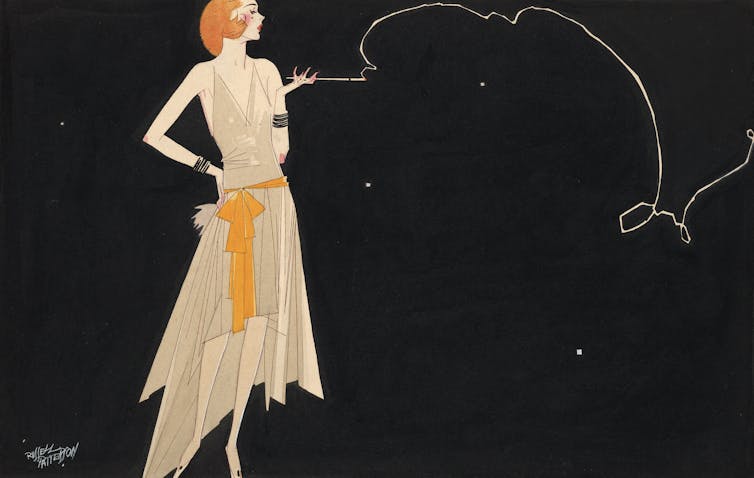
While some places remain mired in the third wave of the pandemic, others are taking their first tentative steps towards normality. Since April 21, Denmark has allowed indoor service at restaurants and cafes, and football fans are returning to the stands. In countries that have forged ahead with the rollout of vaccines, there is a palpable sense of optimism. And yet, with all this looking forward, there is plenty of uncertainty over what the future holds. Articles on what the world will look like post-pandemic have proliferated and nations worldwide are considering how to recover financially from this year-long economic disaster. Almost exactly a hundred years ago, similar conversations and preparations were taking place. In 1918, an influenza pandemic swept the globe. It infected an estimated 500 million people — around a third of the world’s population at the time — in four successive waves. While the end of that pandemic was protracted and uneven, it was eventually followed by a period of dramatic social and economic change. The Roaring ‘20s — or “années folles” (“crazy years”) in France — was a period of economic prosperity, cultural flourishing and social change in North America and Europe. The decade witnessed a rapid acceleration in the development and use of cars, planes, telephones and films. In many democratic nations, some women won the right to vote and their ability to participate in the public sphere and labour market expanded. Parallels and differencesAs a historian of health care, I see some striking similarities between then and now, and as we enter our very own '20s it is tempting to use this history as a way of predicting the future. Vaccine rollouts have raised hope for an end to the COVID-19 pandemic. But they’ve also raised questions about how the world might bounce back, and whether this tragic period could be the start of something new and exciting. Much like in the 1920s, this disease could prompt us to reconsider how we work, run governments and have fun. However, there are some crucial differences between the two pandemics that could alter the trajectory of the upcoming decade. For one, the age-profile of the victims of the influenza pandemic was unlike that of COVID-19. 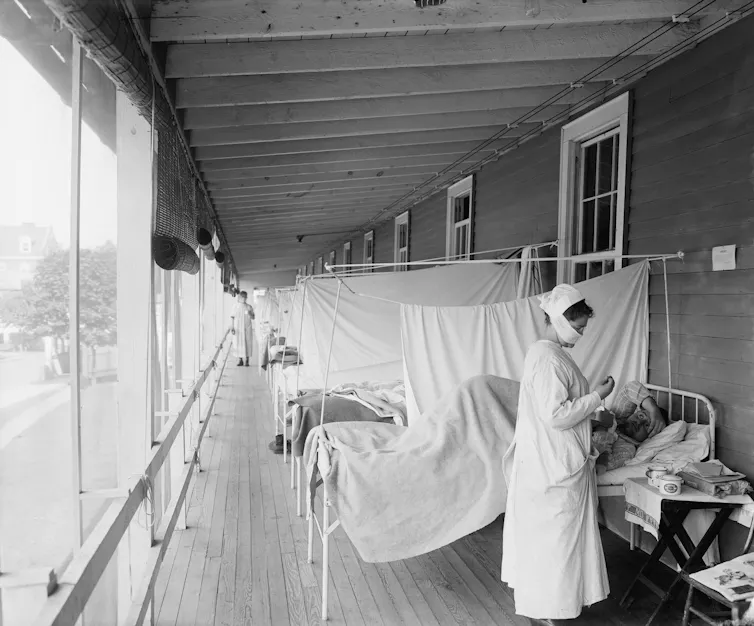
The 1918 flu — also called the Spanish flu — predominantly affected the young, whereas COVID-19 has mostly killed older people. As a result, fear probably refracted through the two societies in different ways. Young people have certainly been affected by the COVID-19 pandemic: the virus has posed a threat to those with underlying health conditions or disabilities of all ages, and some of the variants have been more likely to affect younger people. A year of lockdowns and shelter-in-place orders has had a damaging effect on mental and emotional health, and young people have experienced increased anxiety. Read more: COVID-19’s parallel pandemic: Why we need a mental health 'vaccine' However, the relief of surviving the COVID-19 pandemic might not feel quite the same as that experienced by those who made it through the 1918 influenza pandemic, which posed an immediate risk of death to those in their 20s and 30s. 1918 vs. 2020Crucially, the 1918 flu came immediately after the First World War, which produced its own radical reconstitution of the social order. Despite the drama and tragedy of 2020, the changes we are living through now might be insufficient to produce the kind of social transformation witnessed in the 1920s. One of the key features of the Roaring '20s was an upending of traditional values, a shift in gender dynamics and the flourishing of gay culture. 
While the prospect of similar things happening in the 2020s might seem promising, the pandemic has reinforced, rather than challenged, traditional gender roles. There is evidence for this all over the world, but in the United States research suggests that the risk of mothers leaving the labour force to take up caring responsibilities at home amounts to around US$64.5 billion per year in lost wages and economic activity. When most people think of the Roaring '20s they probably call to mind images of nightclubs, jazz performers and flappers — people having fun. But fun costs money. No doubt, there will be plenty of celebration and relief when things return to a version of normality, but hedonism will probably be out of reach for most. Young people in particular have been hard hit by the financial pressures of COVID-19. Workers aged 16-24 face high unemployment and an uncertain future. While some have managed to weather the economic storm of this past year, the gap between rich and poor has widened. Inequality and isolationismOf course, the 1920s was not a period of unadulterated joy for everyone. Economic inequality was a problem then just as it is now. And while society became more liberal in some ways, governments also enacted harsher and more punitive policies, particularly when it came to immigration — specifically from Asian countries. The Immigration Act of 1924 limited immigration to the U.S. and targeted Asians. Australia and New Zealand also restricted or ended Asian immigration and in Canada, the Chinese Immigration Act of 1923 imposed similar limitations. There are troubling signs that this might be the main point of similarity between then and now. Anti-Asian sentiment has increased and many countries are using COVID-19 as a way of justifying harsh border restrictions and isolationist policies. In our optimism for the future, we must remain alert to all the different kinds of damage the pandemic could cause. Just as disease can be a mechanism for positive social change, it can also entrench inequalities and further divide nations and communities. Agnes Arnold-Forster, Researcher, History of Medicine and Healthcare, McGill University This article is republished from The Conversation under a Creative Commons license. Read the original article. 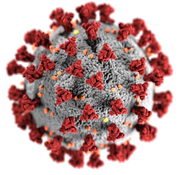
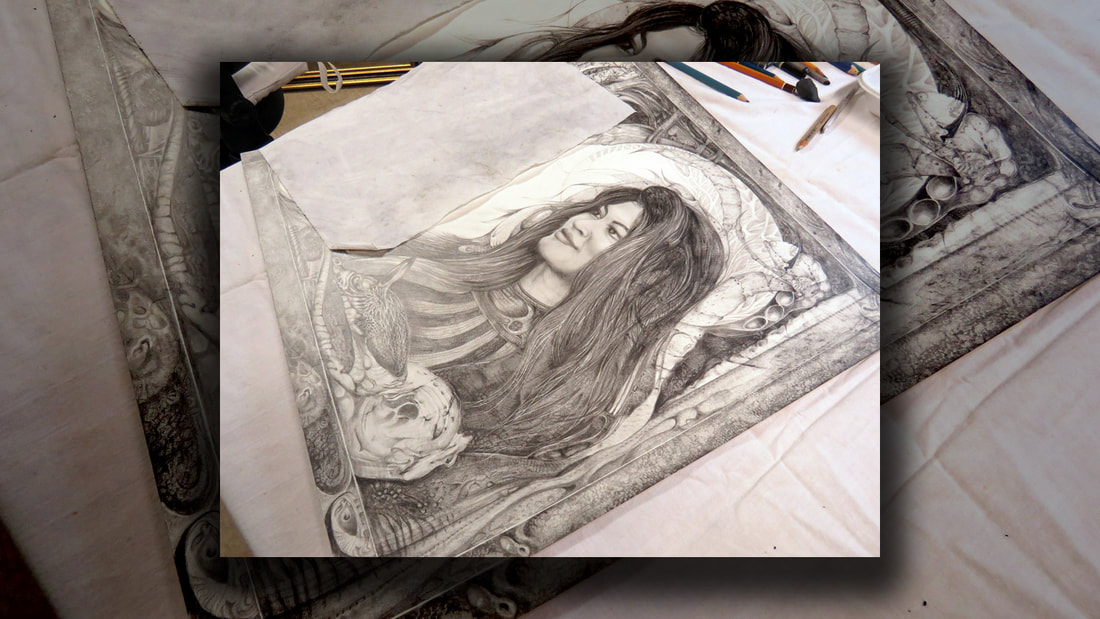
in the studio, working on the finishing touches
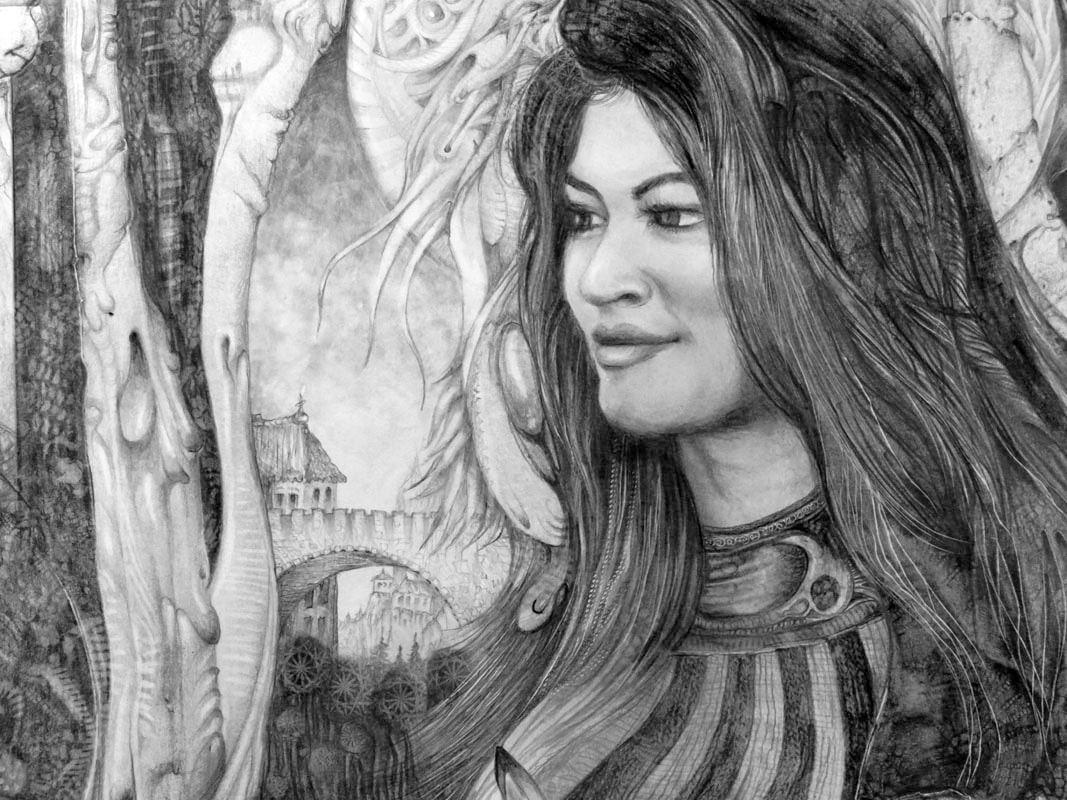
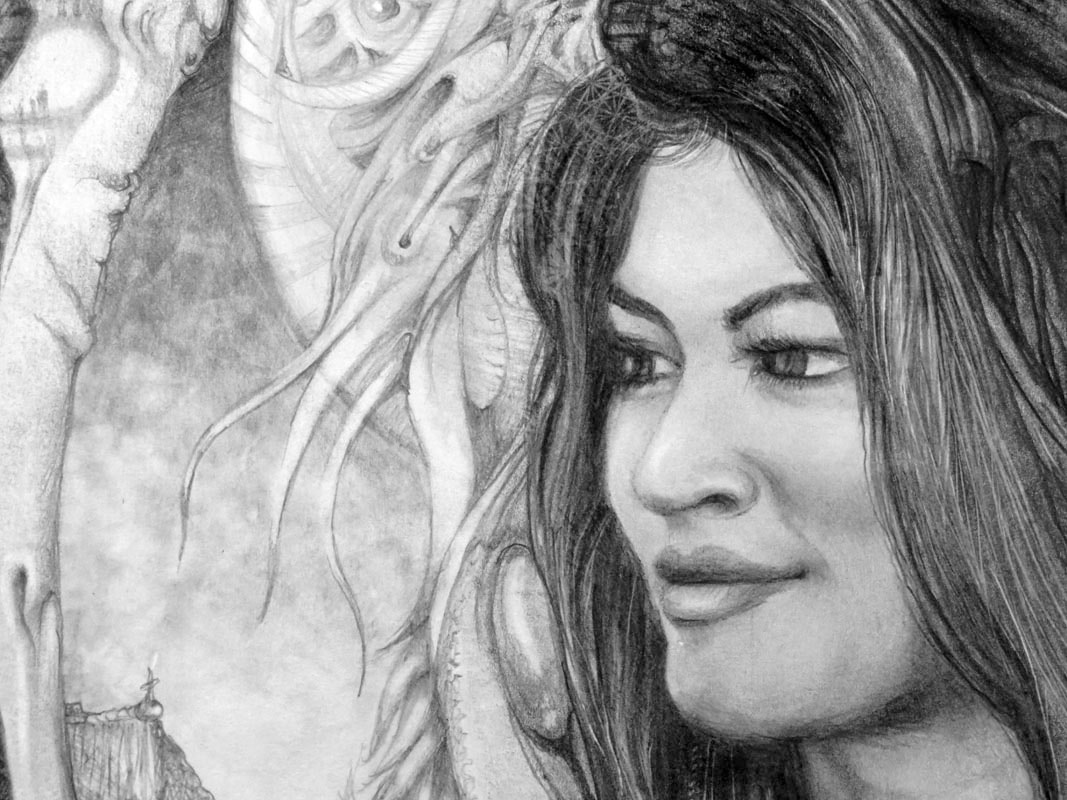
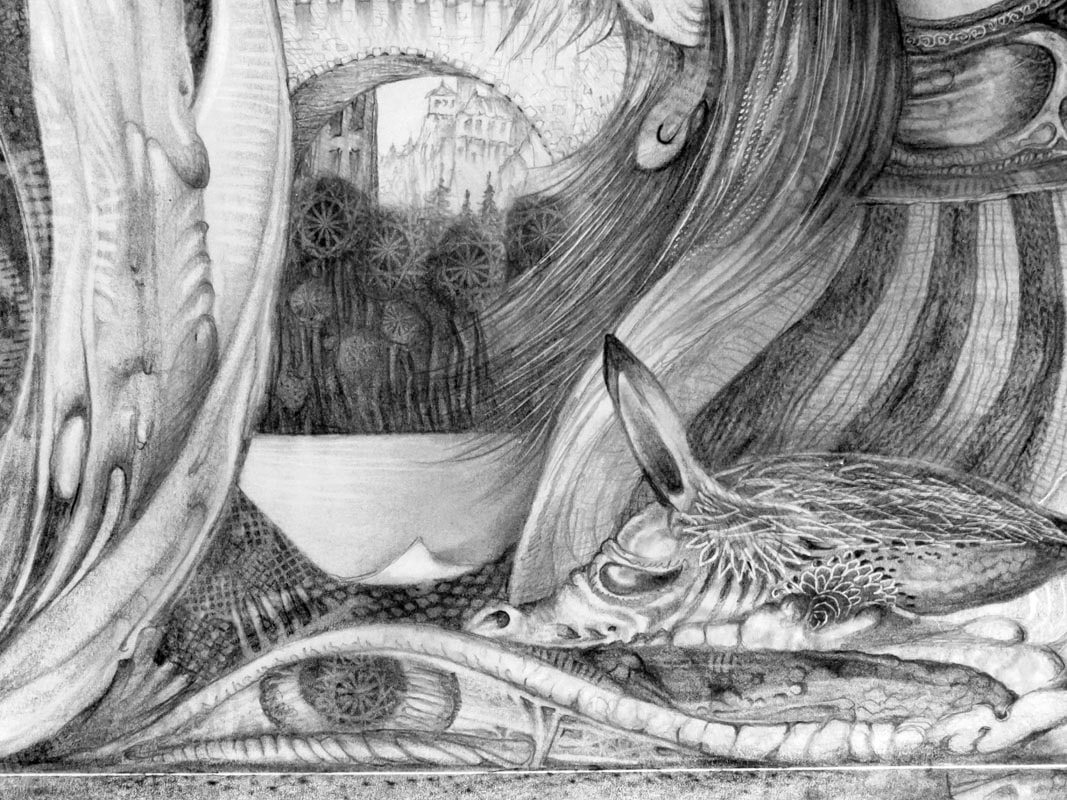
TEA PORTRAIT - Details
a "teaser" preview - a larger video including the process is in the works
Video by Otto Rapp - Music by Frederick J Benjamin - "World Jam 2" - free music from Pixabay
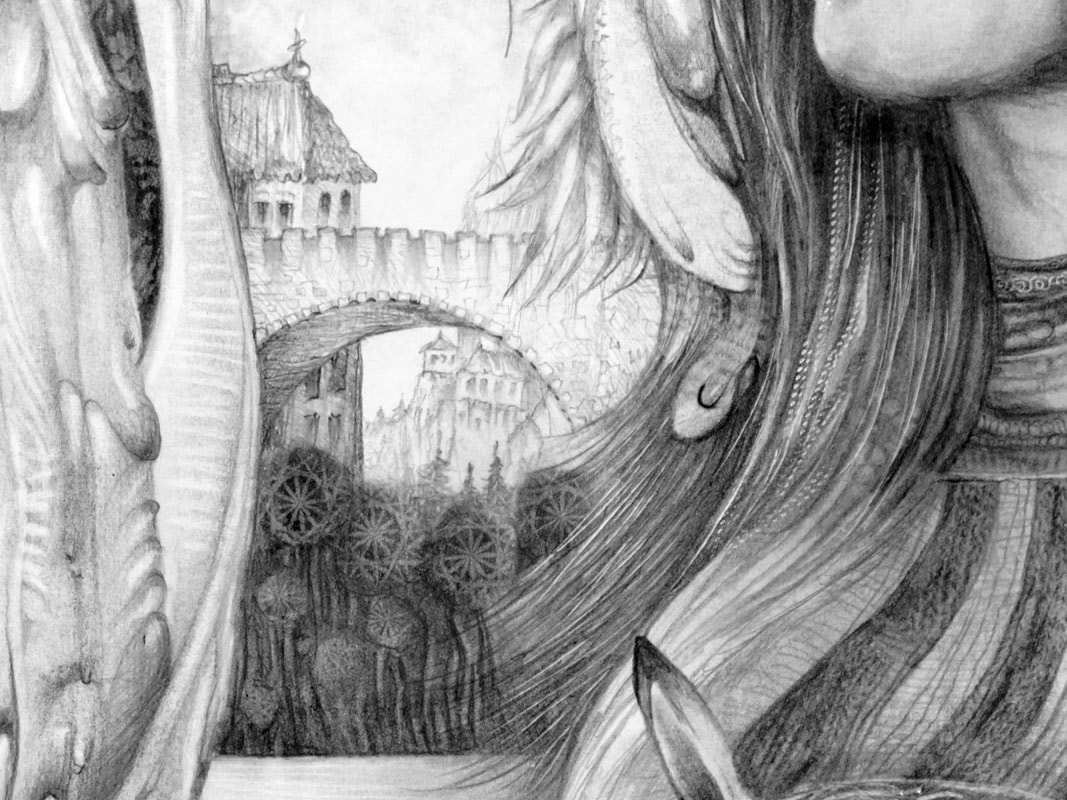
This is a short teaser about my fantasy drawing, showing details only. See the full drawing here on EasyZoom in high resolution
This work was especially created for the Sulamith Wülfing Exhibition and Book project. More about it:
Sulamith Wülfing - eine Vorschau - a sneak preview
Diesmal keine Übersetzung auf Englisch - das leitende Video ist ja auf Deutsch, also würde das im Zusammenhang mit meinem folgenden Text (sowie weiterem Video) wenig Sinn für meine Englisch sprechenden Freunde machen.
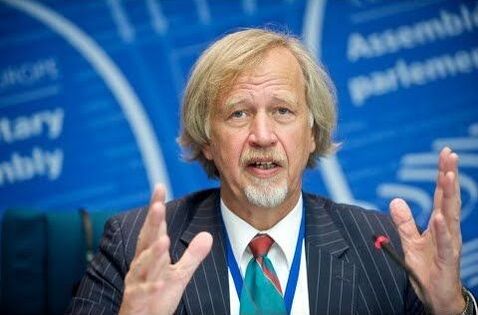
ursprünglich auf YouTube geposted - wurde schnell entweder gelöscht oder privat gestellt. Jedenfalls aber noch auffindbar auf privaten Blogseiten, unten eingebettet.
Dr. Wolfgang Wodarg - Wie kommt es zu Blutgerinnseln nach der Corona-Impfung?
Dr. Wolfgang Wodarg erklärt den Zusammenhang zwischen der Impfung und den Thrombosen, Schlaganfällen und Lungenembolien. +++Astrazeneca heißt jetzt auch Vaxzevria.+++ Note: the video originally embedded here disappeared also, here is the same one embedded from another source. Should this again malfunction, I have a copy of it saved as well.
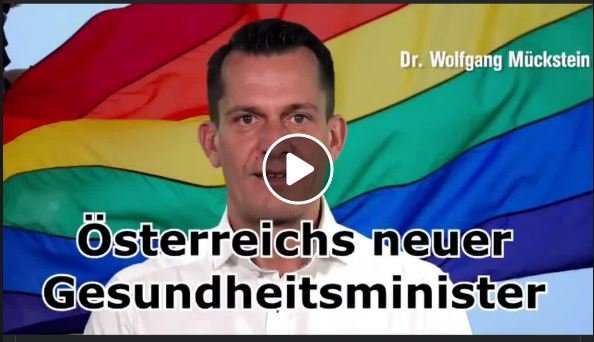
Ich suchte solch Video um es als Kommentar zu einem Facebook Eintrag über den neuen Gesundheitsminister in Österreich, Dr. Wolfgang Mückstein einzustellen. Das Facebook Video ist eine Zusammenfassung einer Servus-TV Sendung vom März 2021:
Jetzt kann man sich vorstellen was auf uns zukommt. Wir werden uns in Zukunft noch wehmütig an den "Angstschober" erinnern. Also das hier wird der neue Impf- und Kerkermeister.
Recherchen über dieses Thema. Hier handelt es sich um Aspirieren von Impfungen
(Forum Deutsches Ärzteblatt): Verzicht auf Aspiration bei i.m. Injektion?
Um nochmal das Thema über Aspirieren aufzugreifen, ich zitiere:
Aspirieren, d. h. die Spritze in der Position halten und den Spritzenstempel leicht zurück ziehen, um einen Gefäßanstich auszuschließen. Kommt Blut, Injektion sofort stoppen, Kanüle entfernen, Einstichstelle abdrücken.
Ich muss aber zugeben dass ich kein begeisterter Freund der derzeitigen Bundesregierung bin. Es ist kein Geheimniss dass ich die "Maßnahmen" für überzogen halte und deshalb schon öfters ins rechte Verschwörungstheoretiker Eck gestellt wurde. Schon vor der Angelobung des neuen Gesundheitsministers habe ich kommentiert wir werden uns noch mit Sehnsucht an den "Angstschober" (Rudolf Anschober, zurückgetreten) erinnern, denn was auf uns jetzt zukommt ist "besorgnisserregend".
A debatable subject - to take a quote out of context:
"But your body also produces antibodies as a response to vaccination. That’s the way it can recognise SARS-CoV-2, the next time it meets it, to protect you from severe COVID. So as COVID vaccines are rolled out, and people develop a vaccine-induced antibody response, it may become difficult to differentiate between someone who has had COVID in the past and someone who was vaccinated a month ago." Will the COVID vaccine make me test positive for the coronavirus? 5 questions about vaccines and COVID testing answered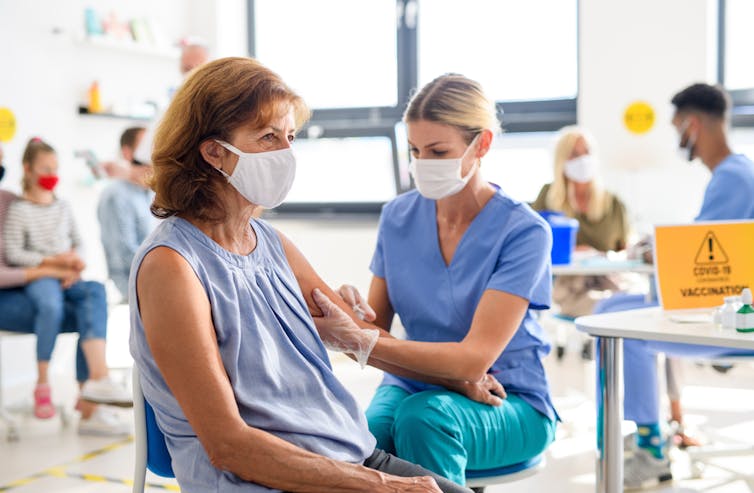
COVID-19 vaccination is rolling out across Australia. So health authorities are keen to dispel myths about the vaccines, including any impact on COVID testing. Do the vaccines give you COVID, or make you test positive for COVID? Does the vaccine affect other tests? Do we still need to get COVID tested if we have symptoms, even after getting the shot? And will we still need COVID testing once more of the population gets vaccinated? We look at the evidence to answer five common questions about the impact of COVID vaccines on testing. 1. Will the vaccine give me COVID?The short answer is “no”. That’s because the vaccines approved for use so far in Australia and elsewhere don’t contain live COVID virus. The Pfizer/BioNTech vaccine contains an artificially generated portion of viral mRNA (messenger ribonucleic acid). This carries the specific genetic instructions for your body to make the coronavirus’s “spike protein”, against which your body mounts a protective immune response. The AstraZeneca vaccine uses a different technology. It packages viral DNA into a viral vector “carrier” based on a chimpanzee adenovirus. When this is delivered into your arm, the DNA prompts your body to produce the spike protein, again stimulating an immune response. Any vaccine side-effects, such as fever or feeling fatigued, are usually mild and temporary. These are signs the vaccines are working to boost your immune system, rather than signs of COVID itself. These symptoms are also common after routine vaccines. 2. Will the COVID vaccine make me test positive?No, a COVID vaccine will not affect the results of a diagnostic COVID test. The current gold-standard diagnostic test is known as nucleic acid PCR testing. This looks for the mRNA (genetic material) of SARS-CoV-2, the virus that causes COVID-19. This is a marker of current infection. This is the test the vast majority of people have when they line up at a drive-through testing clinic, or attend a COVID clinic at their local hospital. Yes, the Pfizer vaccine contains mRNA. But the mRNA it uses is only a small part of the entire viral RNA. It also cannot make copies of itself, which would be needed for it to be in sufficient quantity to be detected. So it cannot be detected by a PCR test. The AstraZeneca vaccine also only contains part of the DNA but is inserted in an adenovirus carrier that cannot replicate so cannot give you infection or a positive PCR test. 3. How about antibody testing?While PCR testing is used to look for current infection, antibody testing — also known as serology testing — picks up past infections. Laboratories look to see if your immune system has raised antibodies against the coronavirus, a sign your body has been exposed to it. As it takes time for antibodies to develop, testing positive with an antibody test may indicate you were infected weeks or months ago. But your body also produces antibodies as a response to vaccination. That’s the way it can recognise SARS-CoV-2, the next time it meets it, to protect you from severe COVID. So as COVID vaccines are rolled out, and people develop a vaccine-induced antibody response, it may become difficult to differentiate between someone who has had COVID in the past and someone who was vaccinated a month ago. But this will depend on the serology test used. Read more: Antibody tests: to get a grip on coronavirus, we need to know who's already had it The good news is that antibody testing is not nearly as common as PCR testing. And it’s only ordered under limited and rare circumstances. For instance, when someone tests positive with PCR, but they are a false positive due to the characteristics of the test, or have fragments of virus lingering in the respiratory tract from an old infection, public health experts might request an antibody test to see whether that person was infected in the past. They might also order an antibody test during contact tracing of cases with an unknown source of infection. Read more: Why can't we use antibody tests for diagnosing COVID-19 yet? 4. If I get vaccinated, do I still need a COVID test if I have symptoms?Yes, we will continue to test for COVID as long as the virus is circulating anywhere in the world. Even though the COVID vaccines are looking promising in preventing people from getting seriously sick or dying, they won’t provide 100% protection. Real-world data suggests some vaccinated people can still catch the virus, but they usually only get mild disease. We are unsure whether vaccinated people will be able to potentially pass it to others, even if they don’t have any symptoms. So it’s important people continue to get tested. 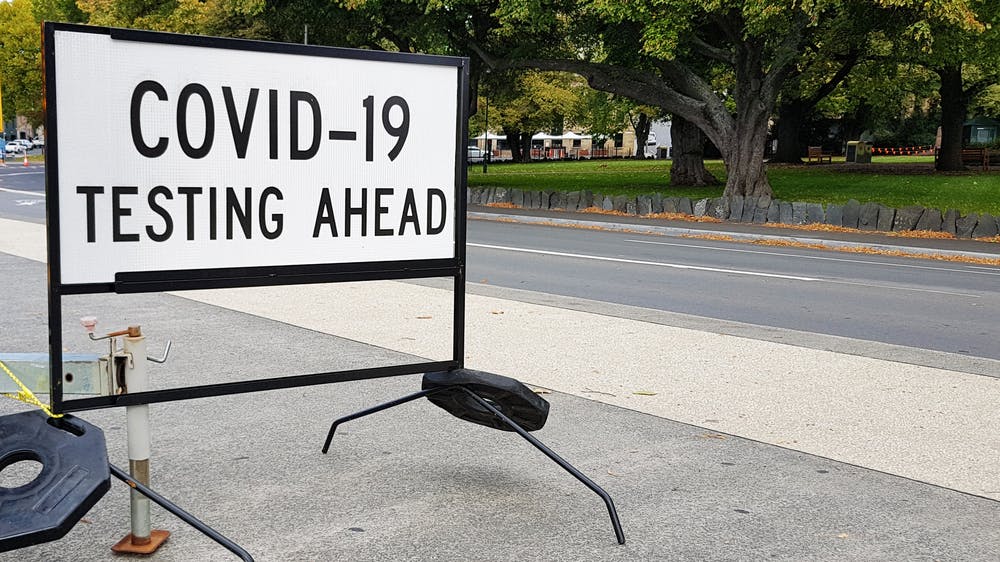
Furthermore, not everyone will be eligible to receive a COVID-19 vaccine. For instance, in Australia, current guidelines exclude people under 16 years of age, and those who are allergic to ingredients in the vaccine. And although pregnant women are not ruled out from receiving the vaccine, it is not routinely recommended. This means a proportion of the population will remain susceptible to catching the virus. We also are unsure about how effective vaccines will be against emerging SARS-CoV-2 variants. So we will continue to test to ensure people are not infected with these strains. We know testing, detecting new cases early and contact tracing are the core components of the public health response to COVID, and will continue to be a priority from a public health perspective. Minimum numbers of daily COVID tests are also needed so we can be confident the virus is not circulating in the community. As an example, New South Wales aims for 8,000 or more tests a day to maintain this peace of mind. Continued vigilance and high rates of testing for COVID will also be important as we enter the flu season. That’s because the only way to differentiate between COVID and influenza (or any other respiratory infection) is via testing. 5. Will testing for COVID stop as time goes on?It is unlikely our approach to COVID testing will change in the immediate future. However, as COVID vaccines are rolled out and since COVID is likely to become endemic and stay with us for a long time, the acute response phase to the pandemic will end. So COVID testing may become part of managing other infectious diseases and part of how we respond to other ongoing health priorities. Read more: Coronavirus might become endemic – here's how Meru Sheel, Epidemiologist | Senior Research Fellow, Australian National University; Charlee J Law, Epidemiologist | Research Associate, Australian National University, and Cyra Patel, PhD candidate, Australian National University This article is republished from The Conversation under a Creative Commons license. Read the original article. 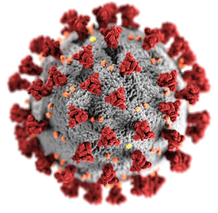
On Friday, October 19th 2018 while visiting Anni Fuchs at the Ernst Fuchs Museum I met the most fascinating artist, Jos Pirkner, whom Anni introduced me to. His monumental work just left me speechless!
please note: some text and links are in German.
JOS PIRKNER
Jos Pirkner was born on 2 December 1927 in Sillian, East Tyrol. He attended the School of Applied Arts in Klagenfurt, graduated from the Master School of Applied Arts in Graz. He discovered his love for metalwork as a private student of Rudolf Reinhart in Salzburg.

Image credit: https://www.osttirol-heute.at
Über einen Zeitraum von drei Jahren entstand diese Kurzdoku über den Osttiroler Bildhauer Jos Pirkner, der als 86-Jähriger die größte Bronceskulptur Europas vollendete, eine wuchtige Figurengruppe aus 14 dahin stürmenden Bullen, die der Künstler mit einer "architektonischen Skulptur" umhüllte. Pirkner entwarf den Firmensitz von Red Bull in Fuschl als Vulkan, aus dem seine Bullen wie Lava herausbrechen und schuf so ein monumentales Gesamtkunstwerk. Kameramann Peter Werlberger und Redakteur Gerhard Pirkner porträtieren den Künstler und sein Meisterwerk.
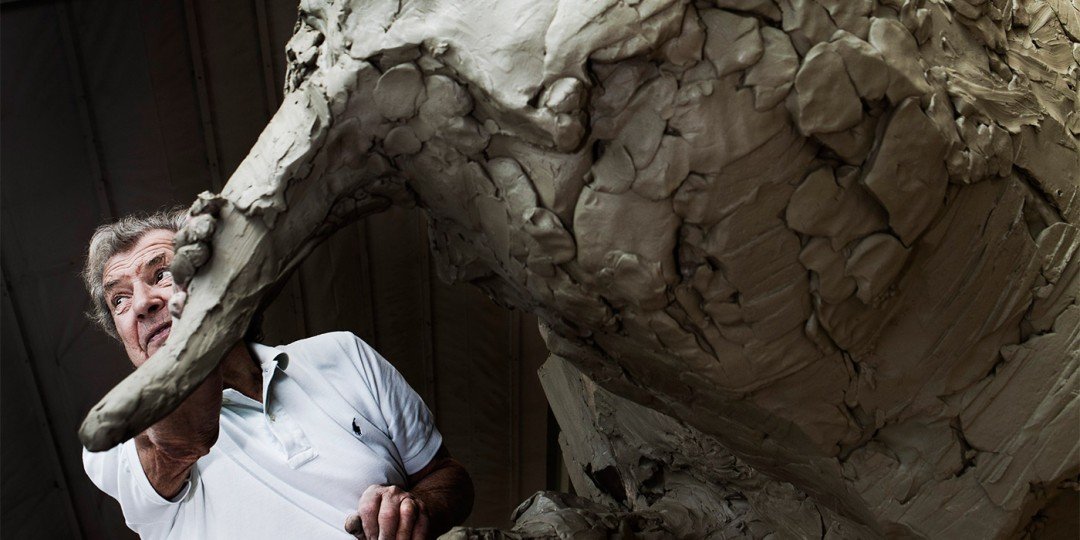
Image credit: https://assets.dolomitenstadt.at
Red Bull-Zentrale mit Jos Pirkners Skulptur eröffnet (Red Bull-Central with Jos Pirkners Skulptur opened)
Image credit: https://www.osttirol-heute.at
there is much more info in the German language Osttirol Heute
I only translated the first couple of paragraphs
Excerpt from his Biography, translated from German:
The young artist followed an offer from the Brom brothers in 1951 and began working as an independent gold and silver sculptor for this world-famous studio in the Netherlands. Jos Pirkner was accepted by the Academy of Fine Arts in Amsterdam and attended as a guest auditor the Free Academy in Utrecht. This city was his second home for the next 25 years. Pirkner opened his own studio and married in 1966 Joke Baegen. Immediately after the birth of his son Gidi, he returned to East Tyrol in 1978. Prof. Jos Pirkner lives with his family in Tristach near Lienz. The work of Jos Pirkner unites imagination and energy. And another, rare quality of a sculptor: the sense of human sensitivity. In the midst of the destruction and poverty of the post-war years, my parents have financed me with an artistic education. Where bread is scarce, art has no value. Nevertheless, my parents advised me to go my own way, as did the Dutch painter Charles Eyk years later, whom I met in Amsterdam. These people have not shaped my work, but my personality as an artist. I owe to them the self-confidence, undeterred by commercial and intellectual fashions, simply to make my art.
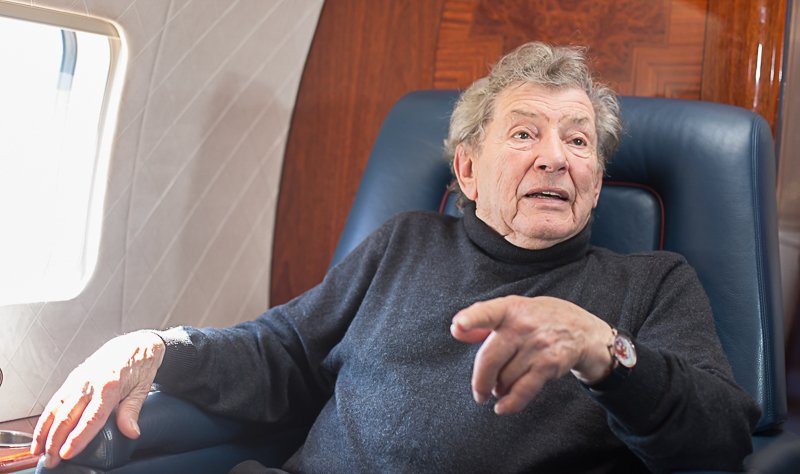
Image credit: https://www.osttirol-heute.at
I feel privileged to have met this great artist! Order of the Pope for Jos Pirkner
Jos Pirkner ist Professor, Ehrenringträger der Stadt Lienz und hat auch sonst einiges an Ehrungen erlebt. Doch ein Orden, den der Papst verleiht, übergeben durch den Salzburger Erzbischof – das war selbst für einen vielfach Ausgezeichneten ein besonderer Moment.
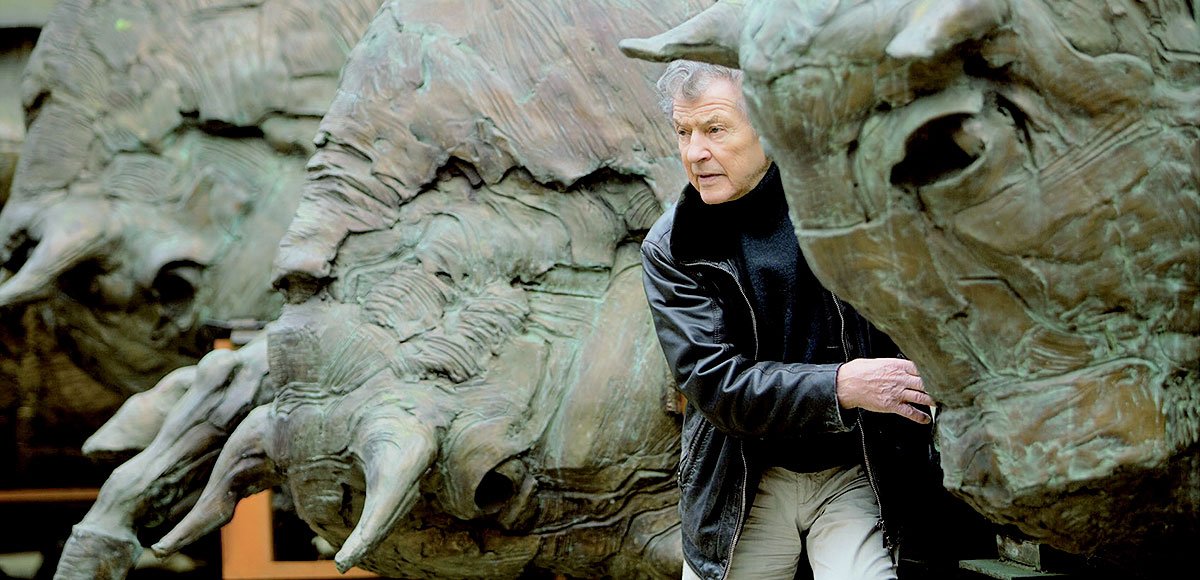
Image credit: https://www.stayinart.com
images and quotes from articles by:
XXL – KUNSTMAGAZIN - OSTTIROL HEUTE - DOLOMITENSTADT ONLINE MAGAZINE and the Biography from the official website of JOS PIRKNER English translations by me. This was also published on my Blogger (with less text). 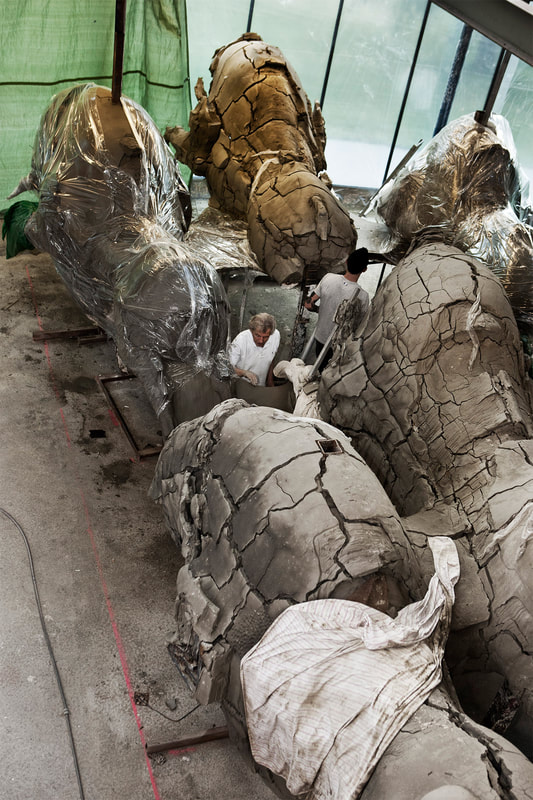
https://www.dolomitenstadt.at/story/der-letzte-bulle/
Going back a few years because I got curious about our political leaders these days, so looking for the definition, I found this article:
Leaving the past behind: what became of the anal personality?
In theory, bad scientific ideas are abandoned and replaced by better ones. We no longer believe living things are animated by a vital force or that combustible matter contains phlogiston. We don’t believe the bumps on our skulls reveal our strengths and weaknesses or that disease is caused by foul air. Sometimes, though, ideas are abandoned too soon. They may simply become unfashionable or contain a germ of truth that is wrapped in a husk of error. Arguably one of Sigmund Freud’s oddest ideas – the existence of an anal character type – is an example of the latter. In this case, the baby may have been thrown out with its soiled bathwater. The anal characterWriting in 1908, Freud identified a cluster of personality traits that came to be known as the “anal triad”. Orderliness refers to excessive conscientiousness and a concern with neatness and cleanliness. Obstinacy involves being stubborn, wilful and rigid. Parsimony represents stinginess with money and time. Freud found these traits clustered together in people who expressed, during psychoanalytic treatment, an emotionally charged fascination with defecation. They recalled taking pleasure in emptying their bowels and in “holding back”, a pleasure Freud described as erotic in his expansive understanding of the word. Their anal traits originated in this childhood obsession. Orderliness was a reaction against their fascination with filth, and obstinacy and miserliness were sublimated, socially acceptable expressions of faecal retention. Later psychoanalytic theorists such as Ernest Jones and Karl Abraham filled in Freud’s sketch of the anal personality. This character type was perfectionistic, pedantic, detail oriented, prone to disgust, and excessively self-reliant. Anal characters had a passion for classifying, organising and statistics and they were drawn to collecting objects like coins and stamps which, to Freudians, symbolised excrement (filthy lucre). Anal characters were often “notorious bores” afflicted by “Sunday neurosis”: the inability to relax on the weekend. Writers speculated they were fascinated by tunnels, tended not to change underwear “more than is absolutely necessary” and were exceedingly sparing in their use of toilet paper. Research on the anal characterIn the mid 20th century researchers began to subject these pungent ideas to empirical scrutiny. Some of their findings were encouraging: anal character traits did tend to cluster together among adults, although they formed a spectrum rather than a type. However the more basic question is whether these traits are rooted in early childhood and linked to defecation. If not, the anal character is in no meaningful sense anal. One amusing study examined whether anal characters were indeed particularly troubled by faeces. People high or low in anal traits were asked to identify by touch objects submerged in different liquids. In one experimental condition that liquid was water and in the other a malodorous pseudo-faecal mixture of flour and used crankcase oil. As predicted, anal characters performed more poorly in the faecal condition, supposedly thrown off by their excremental anxieties. Other research was less supportive, however. Studies repeatedly failed to find any correlation between aspects of childhood toilet training and anal traits in adulthood. Cross-cultural studies found no link between the severity of a culture’s toilet training regimes and its rigidity or other anal trends. The end of the anal character?As Freudian ideas about the anal character failed to receive empirical support, and psychoanalytic theory was increasingly eclipsed in psychology, they were progressively abandoned. In the Google books database the term “anal character” hit its peak popularity in 1956, tailing off sharply thereafter. “Anal personality” held on a little longer, cresting in 1987 but then dropping precipitously to the point where it is rarely used today. So has the anal character been wiped from the field? Reports of its death are greatly exaggerated, as anal traits have reappeared in several new guises in more recent personality psychology. Active research programs explore the complexities of perfectionism, orderliness, disgust proneness and detail focus. However, the best preserved expression of this very undead idea is obsessive-compulsive personality disorder (OCPD). OCPD is a psychiatric diagnosis that is alive and unwell. It refers to a pervasive pattern of inflexibility, compulsiveness, overwhelming need for mental and interpersonal control, and excessive attention to detail. Studies suggest it may be the most common of the ten recognised personality disorders, and thus the preeminent form of disturbed personality. The diagnostic criteria for this condition align almost perfectly with Freud’s portrait of the anal character. Orderliness reappears as perfectionism and preoccupation with rules and lists. Obstinacy returns as rigidity and a reluctance to delegate tasks. Parsimony lives on in miserly spending habits and an inability to discard worn out objects. Freud’s anal character type is neither anal nor a type. Even so, cleansed of its dirty connotations, it captures a common personality variant that remains with us to this day. Freud’s bad idea has been not so much abandoned as recycled into a few better ones. Nick Haslam, Professor of Psychology, The University of Melbourne This article is republished from The Conversation under a Creative Commons license. Read the original article. |
OTTO RAPPThis blog is primarily art related - for my photography please go to Archives
April 2024
Categories
All

  

 
 
   
                     |





 RSS Feed